

Plenary Speaker 1: Hülya Bayır, MD, Phospholipids, Oxidative Stress and Brain Injury NYP-Morgan Stanley Children’s Hospital of New York
Plenary Speaker 2: Marisol Izquierdo, Omega-3 Fatty Acids and Bone Health Universidad de Las Palmas de Gran Canaria
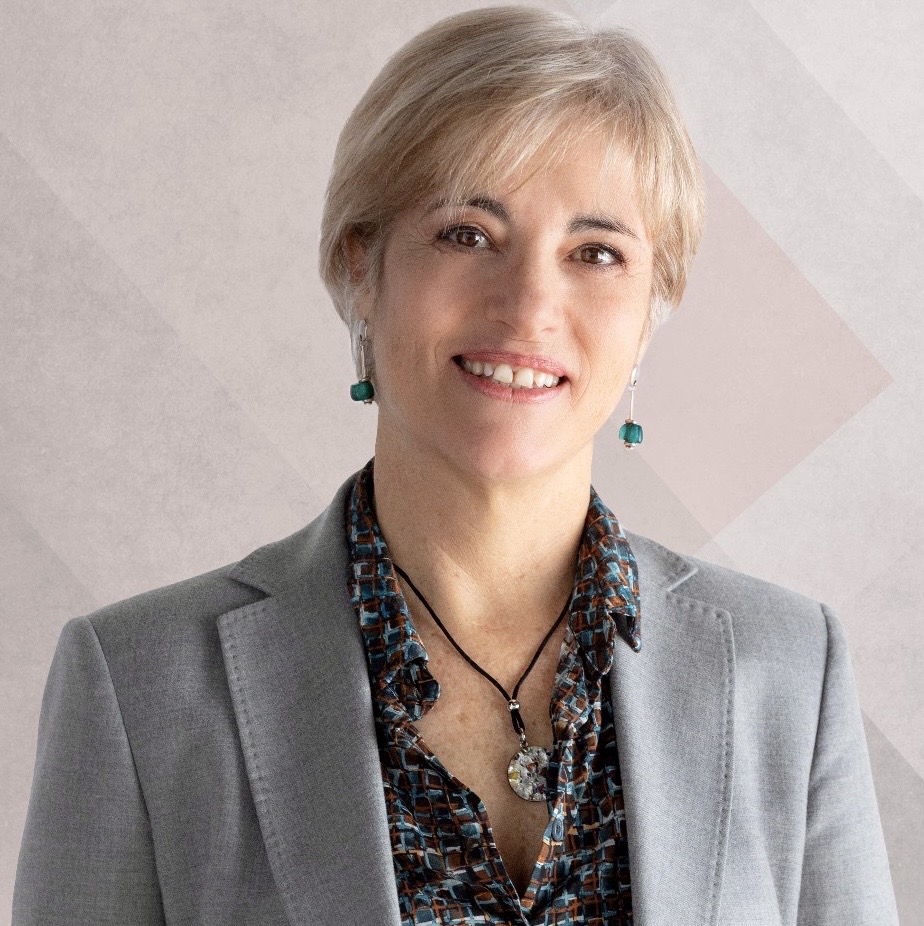
Marisol Izquierdo has been a Full Professor of Aquaculture (Zoology) at the University of Las Palmas de Gran Canaria (ULPGC) since 2000. She conducted her doctoral research at the Tokyo University of Fisheries (1984–1988), winning the award for the Best Doctoral Thesis in the Canary Islands (1988). She returned from Japan under the Spanish Ministry of Education and Science’s program for the reintegration of PhD holders (1988–1990). Her roles include: Associate Professor at ULPGC (1990–1999); Secretary of the Department of Biology (1992–1994); Director of the Aquaculture Research Group (GIA) (1994–2008)—twicerecognized as the ULPGC research group with the highest scientific productivity (2012 and 2020); Director of the International Master’s Program in Aquaculture (1997–2004); Director of the PhD Program in Aquaculture (1990–2008), which received the Ministry of Education’s “Quality Distinction” and “Excellence Distinction”; Director of Scientific Policy at ULPGC (2004–2008); Director of the Department of Biology (2008–2009); Director of the Canary Institute of Marine Sciences (2009–2011); Director of the EcoAqua University Research Institute (2016–2021), recipient of the 2018 CAN Science Award; Adoptive Daughter of the City of Las Palmas de Gran Canaria (2021); Adoptive Daughter of the Island of Gran Canaria (2024); and Vice-Rector for Research and Knowledge Transfer at ULPGC (2021–2024). She has served as a visiting researcher at the universities of Leiden (Netherlands), Stirling (UK), and Austral (Chile), as well as at research centers including the National Research Council in Halifax (Canada), the Hawaii Oceanic Institute (USA), and the National Center for Mariculture (Eilat, Israel).
In 2018, she was named an Honorary Life Member of the World Aquaculture Society, becoming the first Spaniard and the second woman to receive this honor in 40 years. She received the ULPGC Research Career Award (2020). She is a Corresponding Member of the Royal Academy of Medicine (2011); she served as Vice-Chair (2006–2014)—having been a member since 1997—and subsequently as Chair (2014–2018) of the Fish Sub-committee of the International Union of Nutritional Sciences. She is also a member of the Steering Committee of the European Aquaculture Technology and Innovation Platform (EATIP) (2019–present) and the Advisory Committee of the World Aquaculture Society (2018–present). She has participated in over 100 competitive, publicly funded research projects (EU, Spanish government, regional government, and international institutions) and 40 contracts with companies in the pharmaceutical and agri-food sectors. She has contributed to the development of academic curricula at universities across Europe, Africa, and the Americas. She has authored over 300 scientific journal publications (h-index of 75, Scopus, 2025), 12 book chapters, and several reviews, and has supervised approximately 40 doctoral theses. She has delivered more than 35 invited lectures at international scientific conferences and served on the scientific committees of international symposia and the editorial boards of scientific journals.
Finally, she has participated in various development cooperation projects and served as coordinator of CASA (African Centre for Aquaculture Studies)—an initiative collaborating with Aquaculture Without Frontiers Spain and based at the EcoAqua Institute. Her career has focused on fish nutrition research aimed at developing innovative diets for the production of aquatic foods with high nutritional value for consumers. Her specific research interests include the digestion, absorption, and utilization of dietary fats; fatty acid,vitamin, and mineral requirements for fish, mollusks, and crustaceans during reproductive, larval, and juvenile stages; the impact of omega-3 fatty acids on health, behavior, stress resistance, development, and bone ossification; and nutritional programming, specifically the effects of parental dietary fatty acid profiles on offspring growth and metabolism.
Plenary Speaker 3: Dr Greg Peoples, PhD, Lipids and Recovery in Sports University of Wollongong
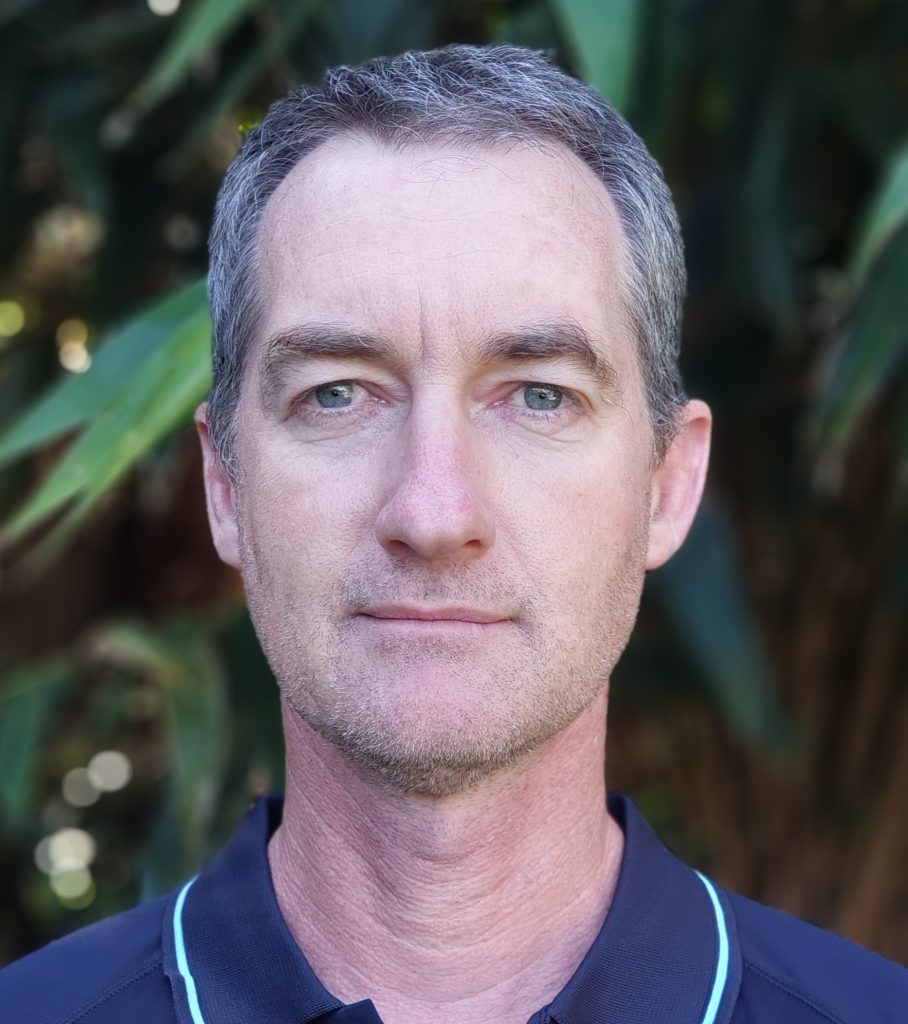
A/Prof Peoples is a cardiovascular physiologist and research academic at the Graduate School of Medicine (UOW, Australia). He first published the nutritional requirements of omega-3 fatty acids, primarily DHA, for supporting heart and skeletal muscle performance during exercise. Uniquely, his research translates laboratory animal models and human physiological trials to cohort level outcomes, such as in athletic training and the military. He is the leading author of reviews covering ‘omega-3, exercise and recovery’, book chapters such as ‘Fish Oil and Athletes’, large scale omega-3 screening of athletes and the ‘Fish Oil Supplement: Fact Sheet for Athletes’, published by the Australian Institute of Sport. Alongside industry, A/Prof Peoples aims to expand the diversification omega-3 sports nutrition to include sources such as algae (Sustainable Development Goal [14] for improvement of Life Under Water). He has published +100 peer-reviewed papers and industry technical reports, centralised around nutrition physiology for enhancement of exercise capacity and recovery.
Plenary Speaker 4: Brett Glencross, Understanding Marine Oil Sourcing, IFFO
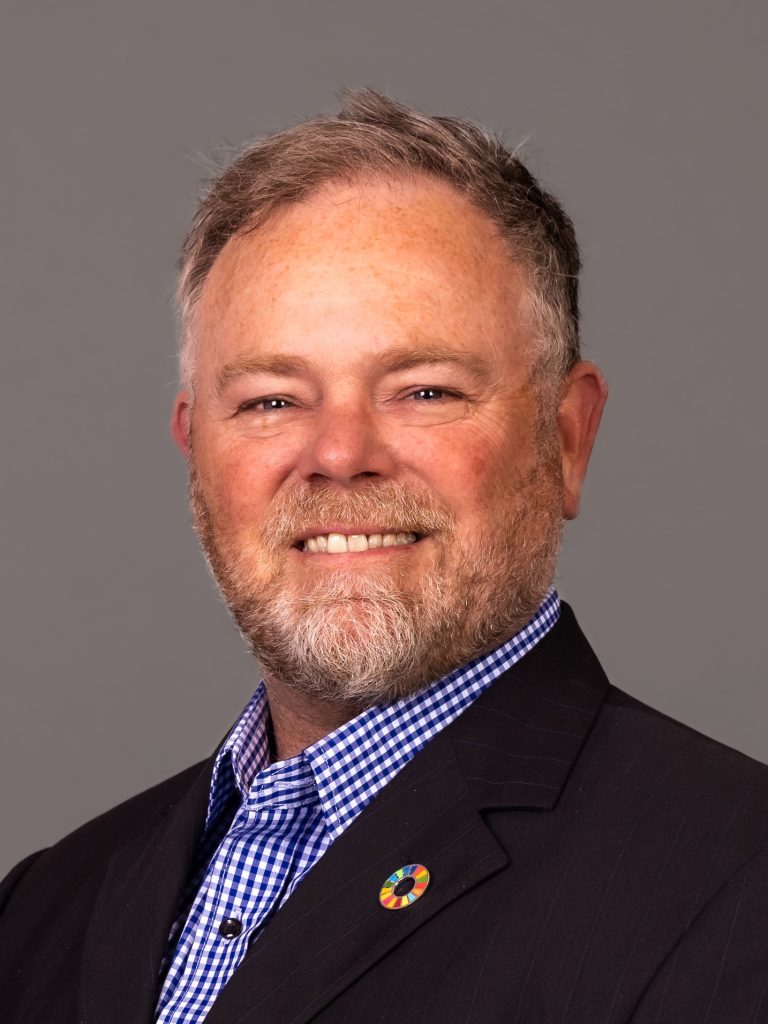
Dr Brett Glencross is the Technical Director of IFFO (The Marine Ingredients Organisation). Prior to this he was the Professor of Nutrition at the Institute of Aquaculture at the University of Stirling in Scotland. Over the past 30 years he has worked across academia, government, foreign-aid and industrial roles in the Asia-Pacific, LATAM, Middle East, and Europe. He is the former Chair of the Scientific Committee of the International Society for Fish Nutrition as well as previously being a director of the Asia-Pacific Chapter of the World Aquaculture Society. He has roles on Boards for several companies, as well as representing industry on committees for Global GAP and MarinTrust certification standards. He has Honours and Masters Degrees in Biochemistry from the University of Western Australia and a PhD in Animal Nutrition from the University of Queensland.
Plenary Speaker 5: Bente Evy Halvorsen, PhD, Fatty Acids and Cardiovascular Health – Moving Beyond Omega-3 University of Oslo
Professor Bente Halvorsen is a world-leading scientist in translational atherosclerosis research, with a particular focus on vascular inflammation in cardiometabolic disease. She is Head of the Research Institute of Internal Medicine at Oslo University Hospital and Professor at the Faculty of Medicine, University of Oslo, Norway.
Professor Halvorsen leads Norway’s only translational research group combining preclinical and ex vivo models with large clinical cohorts to investigate inflammation and immune-driven pathology in atherosclerosis and related disorders. Since the outbreak of COVID-19, she and her group have also investigated the role of immune activation in disease progression and the long-term consequences of infection.
Her research explores how lipid mediators regulate inflammation and its resolution in cardiovascular disease. Through her award-winning work, Professor Halvorsen has made important contributions to our understanding of inflammatory networks and immune regulation in cardiovascular and related conditions.
Plenary Speaker 6: Craig E. Wheelock, Lipid Signaling Karolinska Institutet